Concrete cutting
When a slab is too far gone to lift, precise cutting and removal is the first step toward a clean replacement.
Learn more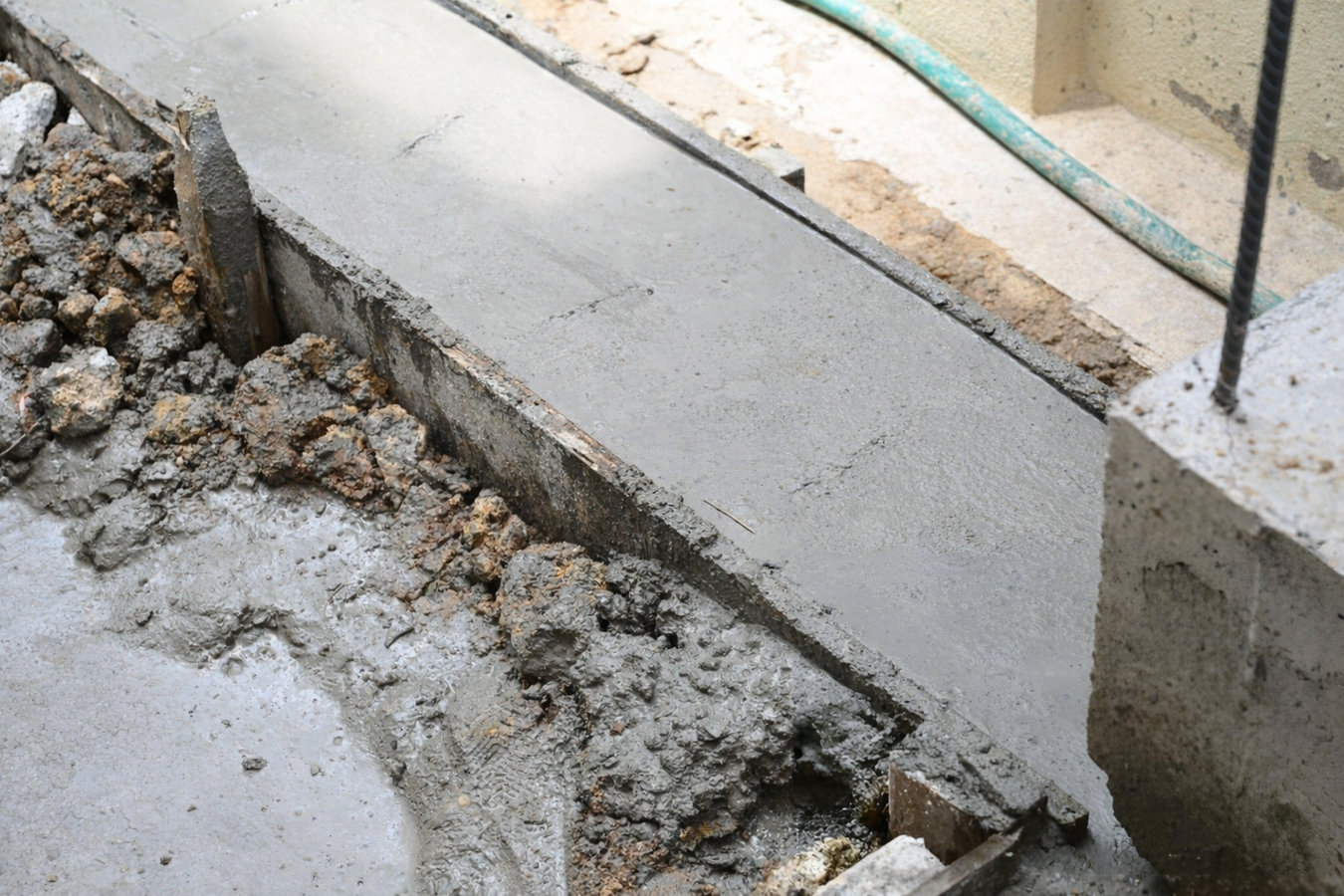
Desert heat and monsoon erosion push slabs out of position. We lift sunken concrete back to level so trip hazards disappear and drainage flows the right direction.
Foundation raising in Lake Havasu City lifts sunken concrete slabs back to their original position by pumping material into the void underneath - most residential jobs are completed in two to four hours with no need to leave your home.
If your driveway, patio, or walkway has dropped on one side, the soil beneath it has shifted or eroded. In Lake Havasu City, that usually traces to one of two causes: the extreme summer heat dries out sandy desert soil until it shrinks away from the slab, or a monsoon storm washes it out in a matter of minutes. Either way, the slab is left with nothing solid underneath and starts to drop.
Foundation raising is often the right call when the concrete itself is still intact. If the slab has broken into many pieces, a full foundation installation may be the better long-term answer - and we will tell you honestly which one fits your situation.
Stand at one end of your driveway, patio, or walkway and look down its length. If one section is noticeably lower than the rest - even by an inch or two - the soil underneath has likely shifted. In Lake Havasu City, this often happens gradually over years of heat cycles and is easy to miss until the difference becomes obvious.
If you catch your foot on the edge of a slab when walking across it, one panel has dropped relative to its neighbor. This is one of the most common reasons homeowners in the area call a contractor - and it is also a liability concern if guests or family members trip and fall.
If you noticed new cracks in your driveway or patio slab after a heavy summer storm, soil erosion underneath is a likely cause. In Lake Havasu City, monsoon rains can wash out the sandy soil beneath a slab quickly, leaving it unsupported. A crack that appeared suddenly after a storm is worth having looked at before the next rainy season arrives.
If water sits near the base of your home after it rains rather than draining away, the slope of your surrounding slabs may have changed. In Lake Havasu City, where monsoon rain comes fast and hard, poor drainage around your foundation can accelerate soil erosion and lead to more serious sinking over time.
We use two proven methods to lift sunken slabs: traditional mudjacking, which pumps a cement-and-soil slurry beneath the slab through small drilled holes, and polyurethane foam injection, which uses a lightweight expanding foam that cures in minutes. Both fill the void underneath and push the slab back up. Foam tends to be faster and holds up particularly well in areas with the kind of wet-dry soil cycles that Lake Havasu City sees every monsoon season. We assess each slab and recommend the method that fits your specific conditions - not just the one that is faster or cheaper to execute.
Once the slab is raised, the injection holes are patched and the surface is cleaned. We also talk through drainage improvements that help protect the repair, because lifting a slab without addressing why it sank is a short-term fix at best. If the assessment reveals the slab is too far gone for raising, we can discuss concrete cutting and removal as the first step toward a full replacement.
Best for homeowners who need a cost-effective lift on driveways, patios, or walkways where the slab is still structurally sound.
Best for areas with recurring moisture fluctuation - foam does not wash away the way a cement slurry can, making it a good choice in monsoon-prone zones.
Recommended alongside any lift job to address the root cause and extend the life of the repair through Lake Havasu City rain and heat cycles.
Lake Havasu City sits in some of the most demanding soil conditions in the country for concrete flatwork. The sandy, gravelly desert ground common throughout Mohave County shrinks dramatically when it dries out - and with summer temperatures regularly exceeding 115 degrees, it dries out a lot. When that soil pulls away from the underside of a driveway or patio slab, it creates a void. The slab has nowhere to go but down. Most of the city was built during a rapid growth period from the 1970s through the 1990s, which means a large share of the housing stock now has slabs that are 30 to 50 years old and sitting on ground that has gone through decades of these heat-and-drought cycles.
Then comes monsoon season. When a storm drops an inch of rain in an hour on ground that is too dry and hard to absorb it, runoff moves fast - and it carries soil with it. Homeowners near Lake Havasu City and out toward Mohave Valley regularly call us in September and October, after the monsoon season ends, to deal with slabs that have dropped noticeably since spring. Getting it fixed before the next season starts is the right move.
We respond within 1 business day. We will ask a few quick questions - where the slab is, roughly how much it has dropped, and whether you have noticed any cracks. This helps us come prepared with the right equipment and materials.
We walk the area with you, measure how far the slab has dropped, and look for what caused the sinking. You will hear an honest assessment of whether raising or replacement makes more sense - and a written price before anything is scheduled.
If your job requires a City of Lake Havasu City permit, we handle that paperwork before scheduling the work. You will know exactly what is required and when the crew is coming before you commit to anything.
The crew drills small holes, pumps material until the slab rises back to level, patches the holes, and cleans up. Most residential jobs wrap up in two to four hours, and you can walk on the slab the same day.
We respond within 1 business day. There is no obligation to move forward after your estimate. Submit your information and someone from our team will call to schedule a free look at your slab.
(928) 392-1386We walk the slab and tell you whether raising is the right fix or whether something else is needed. A slab that is too broken to lift will be told that upfront - not after we have already taken your money and drilled holes.
Arizona requires all contractors doing work above a certain dollar threshold to hold a valid Registrar of Contractors license. Ours is current and searchable at roc.az.gov. Hiring a licensed contractor means you have a formal complaint process if something goes wrong - not just a handshake.
The wet-dry soil cycles and monsoon erosion patterns in Lake Havasu City are not the same as conditions in cooler, wetter climates. We choose materials and methods based on what holds up here - including polyurethane foam for jobs in areas where soil moisture swings are most severe.
We work throughout Lake Havasu City and the surrounding area - from Bullhead City to Kingman and across into Mohave Valley. Local presence means faster scheduling and no travel surcharges on top of your estimate.
The Arizona Registrar of Contractors license lookup tool lets you verify any contractor in about two minutes. Check us and every other contractor you are considering - it is one of the fastest ways to separate legitimate businesses from the ones that cut corners.
The Concrete Network and the American Concrete Institute publish detailed guides on mudjacking and slab lifting methods if you want to read further before calling.
When a slab is too far gone to lift, precise cutting and removal is the first step toward a clean replacement.
Learn moreFor homeowners adding a new structure or replacing a failed slab entirely, we build foundations from the ground up.
Learn moreEvery storm that hits Lake Havasu City can make a dropped slab worse - call now and we will schedule your free estimate within 1 business day.